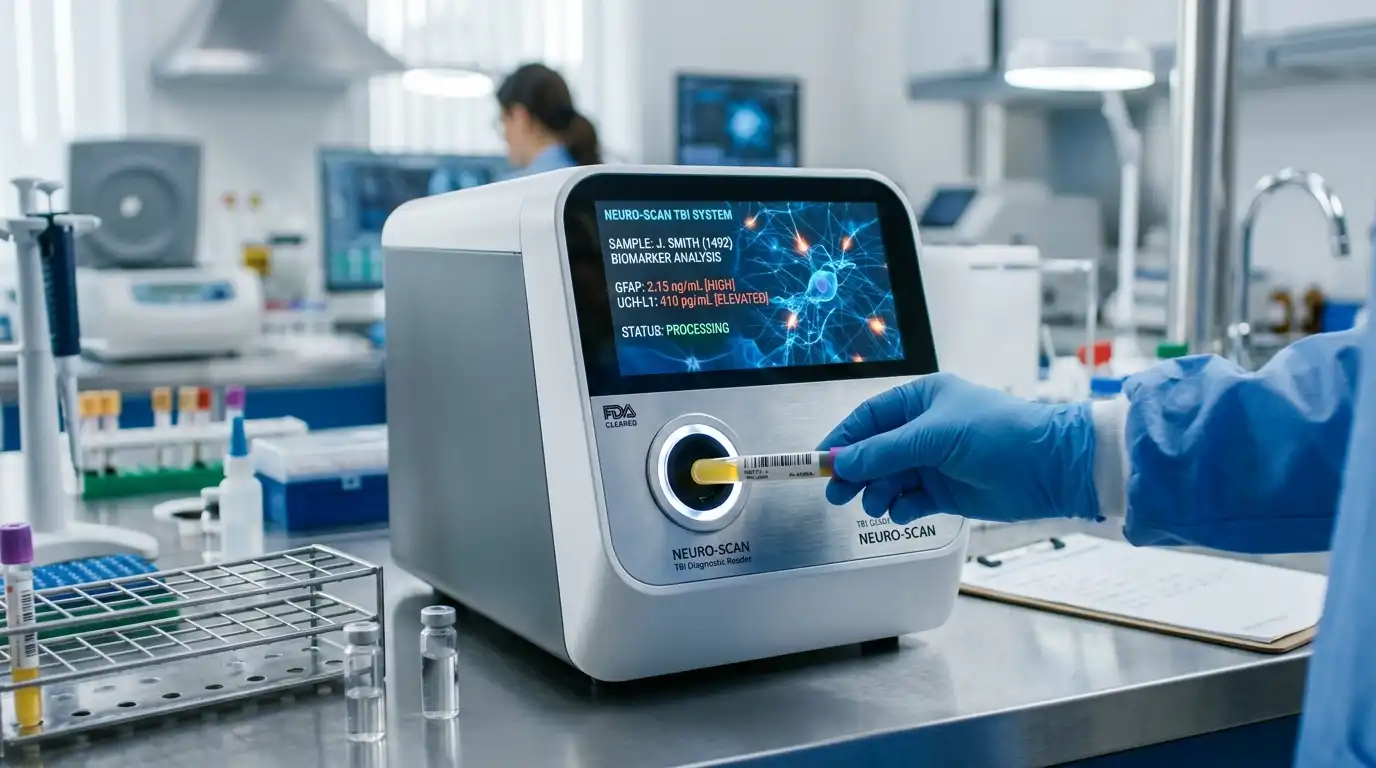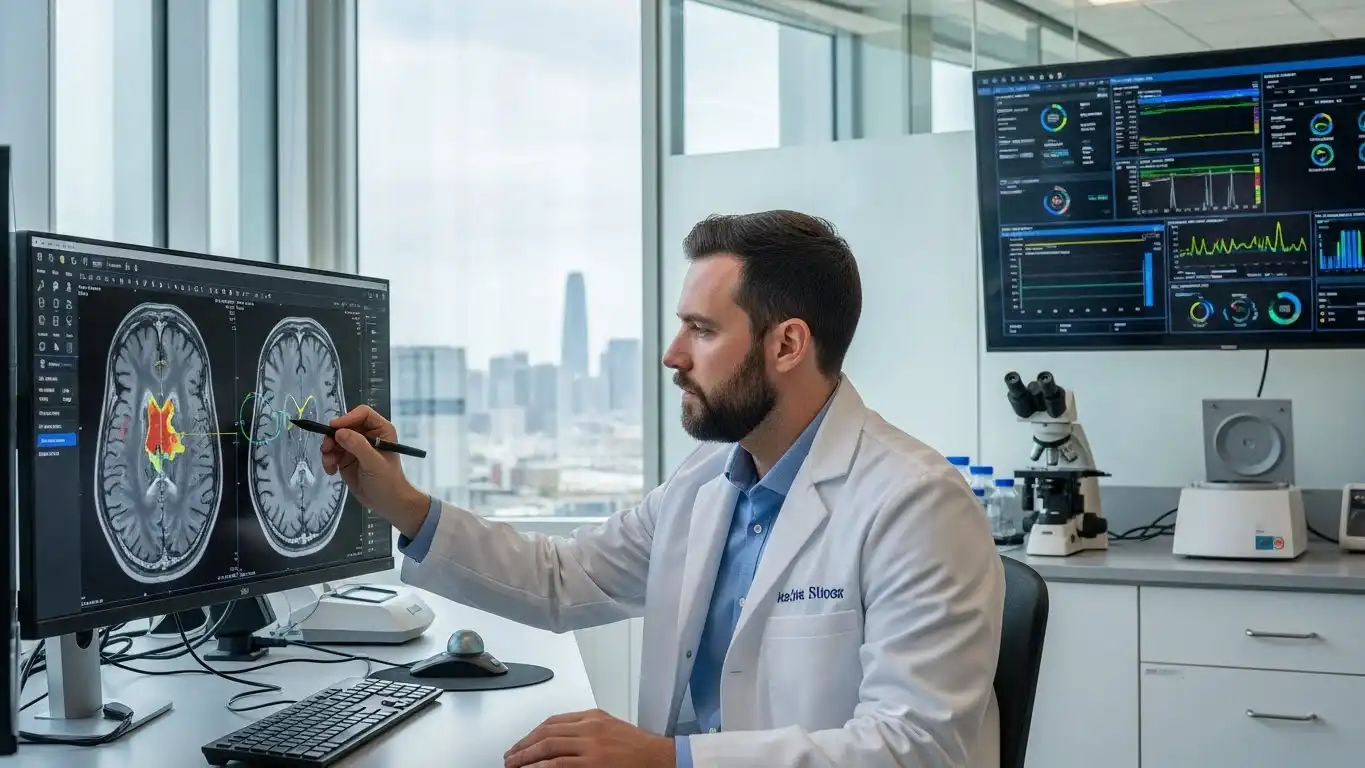
Researchers at the University of California, San Francisco (UCSF) have developed a groundbreaking framework for assessing brain injuries that may revolutionize how concussions and other traumatic brain injuries (TBIs) are diagnosed and treated. Unlike the decades-old Glasgow Coma Scale, this new system — known as CBI-M (Clinical, Biomarker, Imaging with Modifiers) — combines advanced clinical criteria, biomarkers, and detailed imaging to capture more nuanced information about an individual’s injury.
For Californians who suffer brain injuries — whether from car accidents, sports injuries, falls, or workplace trauma — these advancements could change not only medical care but also the evidence available in legal claims and personal injury cases. The implications for victims, families, and attorneys are significant.
Why Traditional Brain Injury Assessment Falls Short
 The Glasgow Coma Scale has been used for more than 50 years to categorize brain injuries as “mild,” “moderate,” or “severe” based on a patient’s observable responses. While useful, it has limitations — particularly for subtle or complex injuries that don’t fit cleanly into its categories.
For example, individuals with seemingly mild injuries can experience persistent symptoms like memory issues, headaches, dizziness, or cognitive changes that the traditional scale does not fully capture. These subtler deficits often complicate medical treatment and can be especially challenging to present as evidence in a legal claim for compensation.
The CBI-M framework aims to improve accuracy by integrating multiple data points, providing a more detailed picture of how a person’s brain truly functions after injury.
What the CBI-M Framework Includes
The UCSF team’s new method incorporates:
- Clinical Scores: Traditional neurologic exam results, patient observations, and symptoms.
- Biomarkers: Blood-based indicators that reveal physiological responses to trauma.
- Advanced Imaging: MRI and other scans that detect subtle structural changes missed by older methods.
- Modifiers: Patient-specific factors such as age, preexisting conditions, and even mental health context.
By combining these elements, the CBI-M approach can better stratify injury severity and identify brain damage that could otherwise go undiagnosed. This is especially critical for individuals whose injuries don’t present obvious outward symptoms but still affect cognitive, emotional, and physical functions.
Implications for Brain Injury Victims in California
1. Better Medical Diagnosis and Treatment Planning
For victims, accurate diagnosis means tailored treatment plans. This could translate into earlier interventions, more appropriate rehabilitation strategies, and potentially better long-term outcomes for victims who previously may have slipped through the cracks.
Importantly, improved diagnosis tools may help clinicians manage lingering symptoms of concussion and other TBIs and support recovery processes that go beyond immediate post-injury assessments.
2. Stronger Legal Evidence for Brain Injury Claims
In personal injury and brain injury claims, medical evidence plays a central role. Attorneys need documented, objective proof that a brain injury occurred and how it impacts daily functioning, employment, medical costs, and quality of life. With more precise imaging and biomarker data, injuries that might have been discounted under older assessment standards could be better validated in negotiations and court proceedings.
If you’re pursuing a claim related to a traumatic brain injury, having advanced medical documentation strengthens your case and your ability to secure fair compensation for medical expenses, lost wages, and long-term care.
3. Improved Understanding of Long-Term Effects
Some brain injuries do not present immediate symptoms but may lead to persistent cognitive or emotional changes over months or years. By detecting subtle signs early, clinicians and legal teams can better anticipate long-term needs. This carries particular importance in cases involving concussions versus more severe brain injuries, where the distinction affects compensation and care strategies.
What This Means for California Law and Insurance Practices
While California law already allows injured parties to pursue full compensation for brain injuries, the introduction of more detailed assessment tools may influence how insurers evaluate claims. With objective data from biomarkers and enhanced imaging, insurance companies could face increased pressure to recognize the true extent of injury and the long-term costs associated with brain trauma.
Attorneys representing brain injury victims should be prepared to incorporate advanced diagnostic evidence into legal strategies, especially in complex cases where symptoms are not immediately apparent but have profound long-term effects on a client’s life.
Conclusion
 The new brain injury assessment framework developed by UCSF researchers represents a promising advance in how traumatic brain injuries — including concussions — are diagnosed and understood. For Californians, especially those pursuing personal injury claims, these advancements may mean better access to care, stronger legal evidence, and a fuller acknowledgment of the real impacts of brain trauma on daily life.
If you or a loved one has suffered a brain injury in an accident, staying informed about these evolving medical and legal developments and working with experienced professionals can help ensure you receive the support and compensation you deserve.