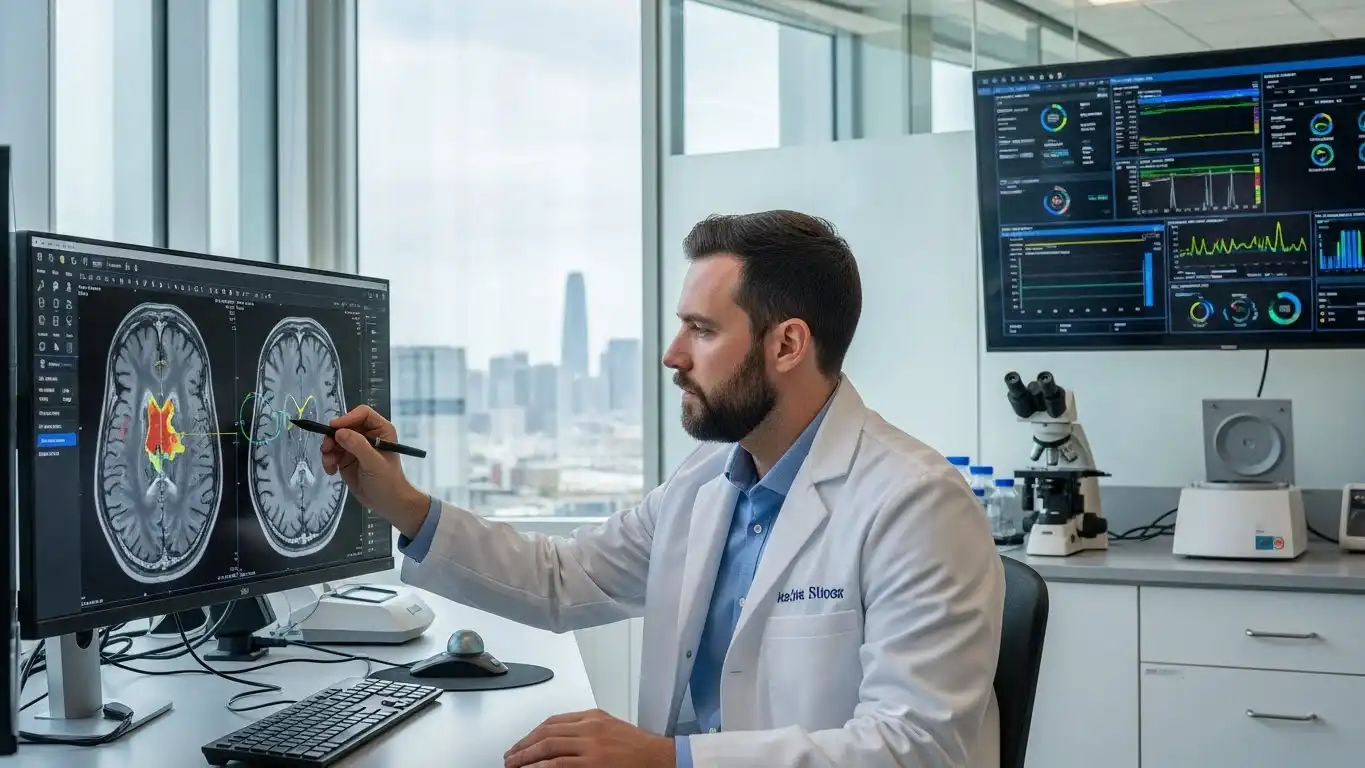
California has long been a hub for innovative medical research, and in 2026, the state continues to lead the way in traumatic brain injury (TBI) research. Clinical trials happening across the state are developing new treatments, offering hope for recovery and improving legal strategies for TBI victims. This article explores the latest clinical trials, their implications for TBI recovery, and how they can influence legal claims related to brain injuries.
Why 2026 TBI Clinical Trials Matter
Each year, California’s top research institutions, including UCLA, UC San Francisco, and UC San Diego, push the envelope in brain injury treatment with cutting-edge clinical trials. In 2026, several of these trials focus on a variety of neurological advancements aimed at improving the long-term recovery of TBI patients. These advancements not only benefit the individuals undergoing treatment but also have far-reaching effects on legal strategies for those seeking justice after a brain injury.
Notable California TBI Clinical Trials
- Neuromodulation + Cognitive Training: This trial combines personalized brain stimulation with cognitive exercises to help improve memory, attention, and other cognitive functions affected by TBI. Early results are promising in treating mild TBI.
- Hyperbaric Oxygen Therapy: Hyperbaric oxygen has been shown to reduce inflammation and promote the healing of brain tissue, making it a key focus in clinical studies for severe TBI recovery.
- Behavioral Therapy vs. Education: Researchers are studying whether structured therapy programs or educational-based approaches are more effective in managing post-TBI headaches and other chronic symptoms.
- Veteran and Older Adult Rehabilitation: Specialized rehabilitation programs for veterans and older adults focus on improving cognitive functioning and quality of life post-TBI.
How These Trials Can Influence Legal Claims
As clinical trials continue to advance TBI treatments, their outcomes are becoming essential in both medical and legal contexts. Here’s how California’s clinical trials are influencing legal claims and compensation for brain injury victims:
1. Strengthening Medical Evidence

In TBI lawsuits, medical evidence plays a crucial role in proving the extent of injuries and their long-term impact. As clinical trials provide more objective data on the effectiveness of new treatments, it becomes easier to demonstrate the severity and permanence of a brain injury. This is especially important for cases involving invisible injuries, such as mild TBI or concussions, where traditional diagnostic methods may fail to detect the full extent of damage.
2. Improving Long-Term Prognosis Documentation
For victims of TBI, showing that their injuries will have a lasting impact is key to receiving appropriate compensation. Clinical trials often include long-term follow-ups and cognitive assessments, which help document the full scope of impairment and functional loss over time. This information is valuable for attorneys seeking to justify future medical expenses and ongoing care needs in a TBI lawsuit. For more on long-term care in TBI claims, read our guide on Proving Future Medical Costs in TBI Cases.
3. Countering Defense Arguments
Insurance companies and defense attorneys often argue that TBI symptoms are exaggerated or difficult to measure. Clinical trials provide a wealth of evidence that can counter these claims. For example, neuroimaging studies and cognitive testing are becoming more advanced, helping legal teams to present data that demonstrates the severity of the injury in ways that were not possible in the past.
4. Highlighting the Importance of Rehabilitation Programs
Many of the 2026 clinical trials focus on rehabilitation programs aimed at improving the cognitive, emotional, and physical functions of TBI patients. Legal teams can use these trial results to emphasize the need for long-term care and rehabilitation in their clients’ cases. Learn more about the role of rehabilitation in TBI claims in our post on New Brain Injury Assessment Criteria.
How Attorneys Should Adapt in 2026
 As clinical research evolves, California brain injury attorneys should stay up to date on the latest medical advancements and incorporate these developments into their litigation strategies. Here are a few ways legal professionals can adapt:
- Collaborate with Experts: Work with medical professionals conducting clinical trials to gain expert insight into the latest treatments and their outcomes.
- Incorporate Trial Data: Use clinical trial data as part of the evidence presented in court, especially when dealing with cases involving neurological testing or experimental treatments.
- Advocate for Comprehensive Care: Highlight the need for long-term care and rehabilitation by referencing the latest trial findings that demonstrate the lasting effects of TBI.
For more information on working with medical experts, see our guide on Working with Medical Experts in TBI Cases.
Conclusion
The clinical trials taking place in California in 2026 are groundbreaking for both TBI recovery and legal claims. For those affected by brain injuries, these advancements represent a beacon of hope. For attorneys, staying informed about these trials and incorporating their findings into legal strategies can make a significant difference in the outcome of TBI cases. As we move forward, it’s clear that the combination of medical innovation and legal expertise will shape the future of TBI treatment and compensation.