The Science of TBI Blood Biomarkers: GFAP and UCH-L1
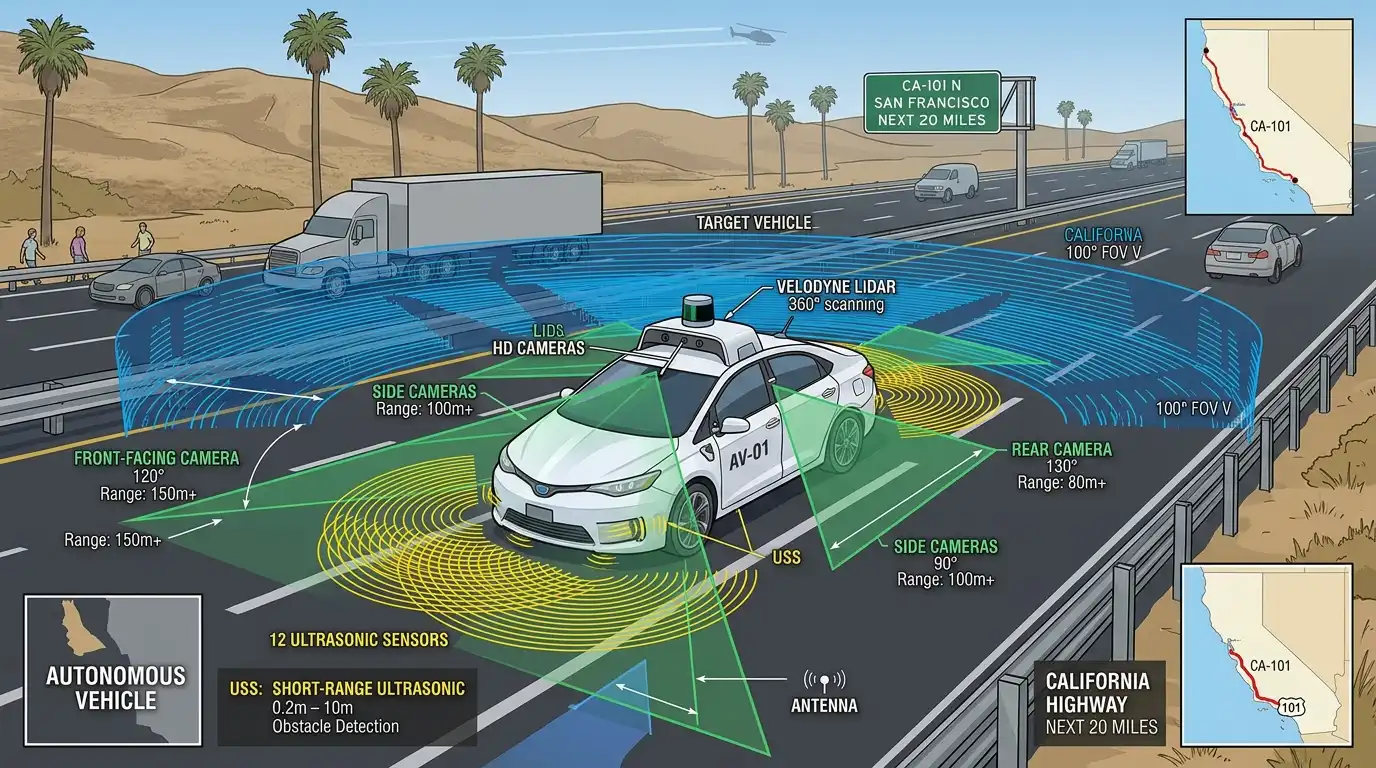
When the brain experiences rapid acceleration, deceleration, or rotational shearing forces—common in motor vehicle collisions, fall incidents, and commercial trucking crashes—astrocytes and neurons undergo mechanical stress. This physical disruption compromises the blood-brain barrier, allowing brain-specific proteins to leak into the bloodstream.
1. Glial Fibrillary Acidic Protein (GFAP)
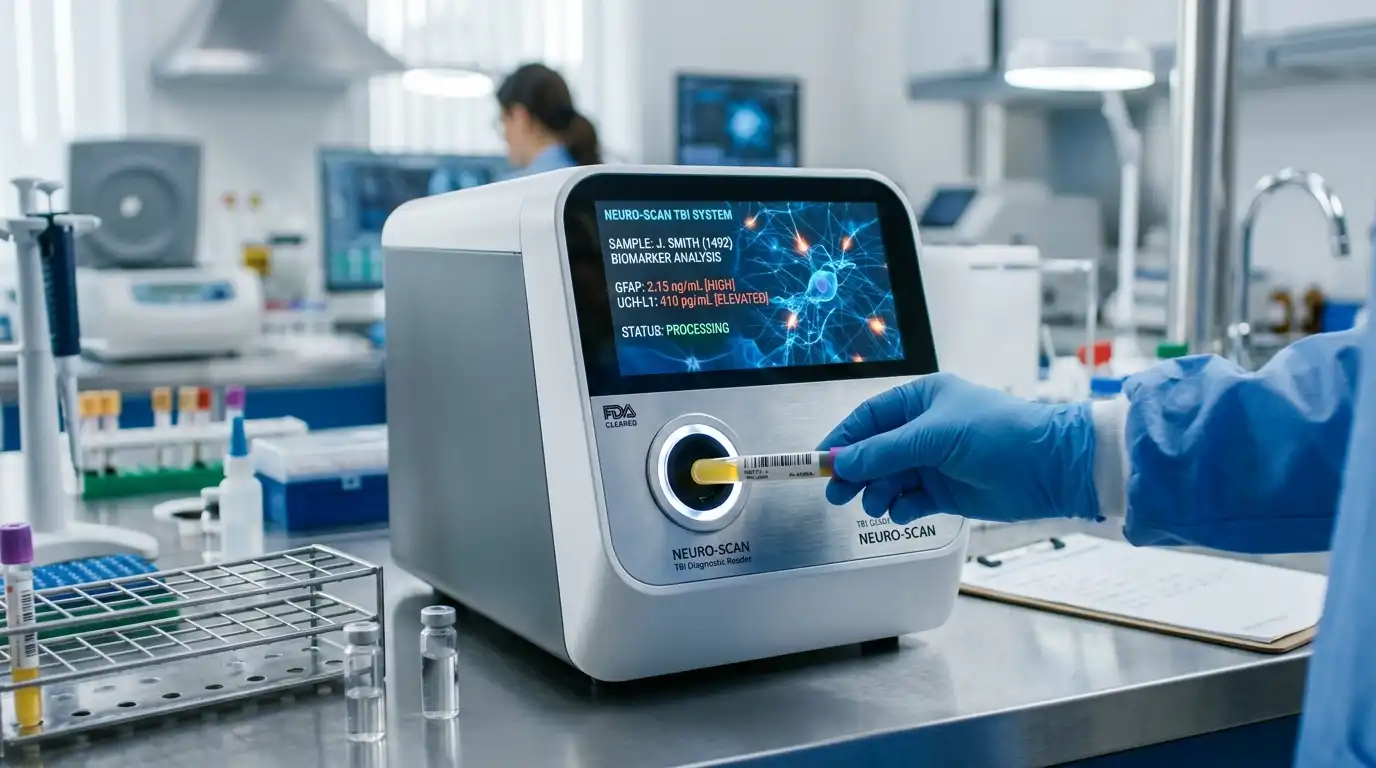
GFAP is a structural protein found almost exclusively within the astrocytes—the primary supporting cells of the central nervous system. When astrocytic injury or cellular membrane rupture occurs following mechanical brain trauma, GFAP elevates rapidly in circulating blood plasma. Because GFAP is specific to brain tissue, elevated systemic levels serve as a definitive biological signature of neural trauma.
2. Ubiquitin C-Terminal Hydrolase-L1 (UCH-L1)
UCH-L1 is an enzyme concentrated heavily within the cytoplasm of neuronal cell bodies. Following axonal shearing or neuronal membrane degradation, UCH-L1 is released into interstitium fluid and crosses the blood-brain barrier. Elevated UCH-L1 levels signal active neuronal cell soma damage.
Diagnostic testing platforms cleared by the U.S. Food and Drug Administration (FDA), such as the Abbott i-STAT TBI Plasma assay, detect elevated concentrations of GFAP and UCH-L1 from a routine venipuncture taken within 12 hours of injury. A positive reading provides clear, quantifiable proof that brain tissue suffered structural compromise, effectively dismantling defense claims that a plaintiff’s symptoms are manufactured or purely emotional.
Navigating California Admissibility Standards: Sargon and Evidence Code § 801.1
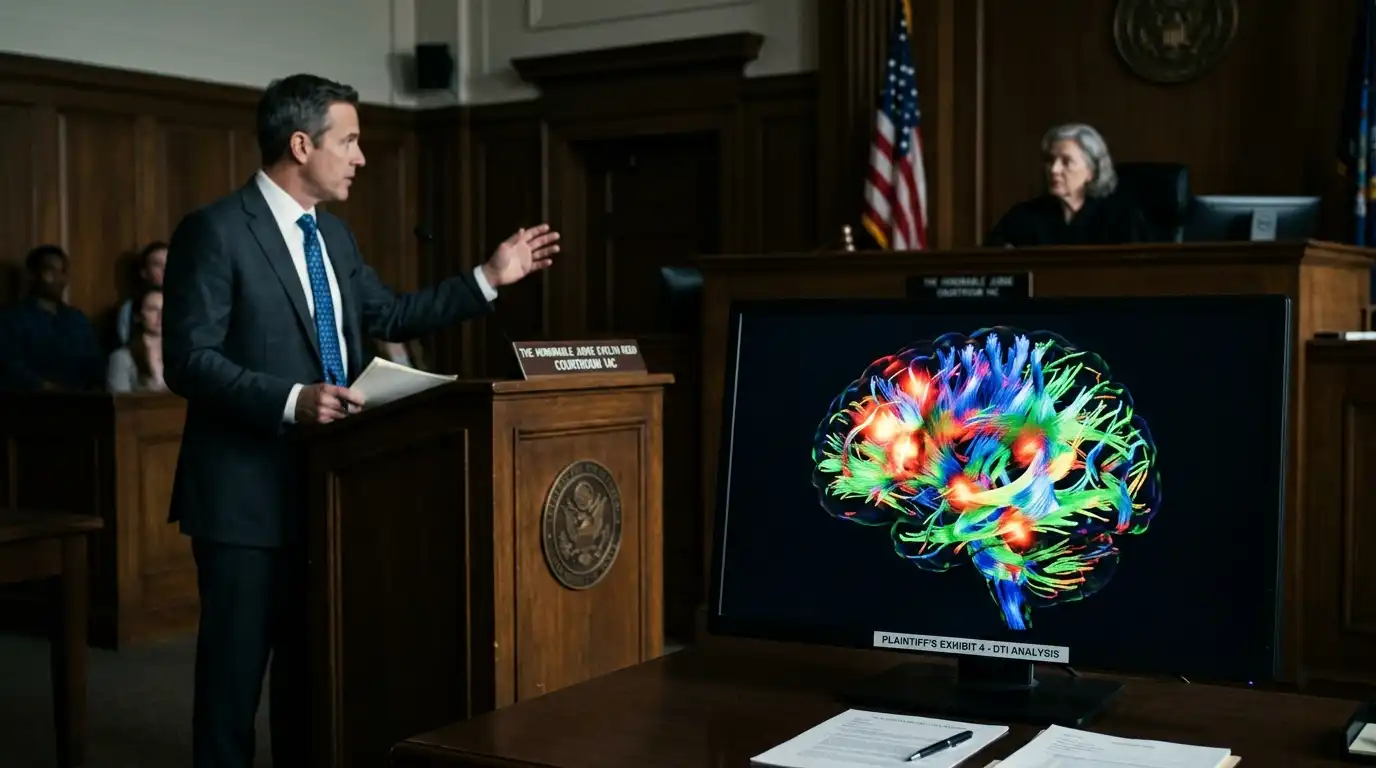
Introducing cutting-edge diagnostic technology into a California courtroom requires meeting strict evidentiary foundational standards. Opposing counsel frequently file motions in limine to exclude novel medical testing, arguing the science is speculative or unproven. Personal injury attorneys must ensure biomarker evidence satisfies established state evidence rules.
1. The Judicial Gatekeeping Standard: Sargon Enterprises
Under the seminal California Supreme Court ruling in Sargon Enterprises, Inc. v. University of Southern California (2012), trial judges act as gatekeepers under California Evidence Code §§ 801(b) and 802. Courts must evaluate whether an expert witness’s opinion is based on matter reasonably relied upon by experts in the field and supported by reliable logic rather than speculation.
Because GFAP and UCH-L1 biomarkers are FDA-cleared, backed by extensive peer-reviewed clinical studies, and integrated into emergency room protocols nationwide, medical experts can readily establish that biomarker assays meet the rigorous reliability thresholds established by Sargon.
2. Leveling Alternative Causation: California Evidence Code § 801.1

Effective January 1, 2024, California enacted Evidence Code Section 801.1, fundamentally changing how medical causation testimony is handled in personal injury litigation. Previously, defense experts could speculate about alternative causes for a plaintiff’s symptoms—such as pre-existing stress, age-related degeneration, or unverified prior concussions—without meeting a strict standard of proof.
Under California Evidence Code § 801.1, any expert offering an opinion on medical causation—including defense experts alleging alternative causes—must testify to a “reasonable medical probability” (meaning more likely than not). When a plaintiff presents elevated, objective TBI biomarker readings taken immediately after a collision, defense experts cannot dismiss the readings based on generalized theories unless they can prove an alternative cause to that same high legal probability standard.
Strategic Impact of Biomarkers on Settlement Value and Jury Verdicts
Integrating objective blood-based biomarker results into the early pre-litigation phase alters case evaluation dynamics in several key ways:
- Overcoming “Normal” CT/MRI Reports: Plaintiff counsel can present clear laboratory reports alongside expert testimony, explaining to insurance adjusters that a normal CT scan merely rules out fatal skull fractures or major brain bleeds requiring surgery—it does not rule out microscopic cellular trauma confirmed by elevated protein counts.
- Corroborating Neuropsychological Testing: Neuropsychological evaluations assess functional deficits such as working memory loss, processing speed delays, and emotional dysregulation. When objective blood biomarker data is paired with standardized neuropsychological scoring, it establishes a solid chain of causation linking the physical accident to documented cognitive decline.
- Establishing Early Case Value: Insurance company claims algorithms routinely downgrade mild TBI claims lacking objective diagnostic findings. A verified, elevated biomarker test forces risk adjusters to assign higher settlement reserves early in the litigation cycle.
The Crucial Window: Time-Sensitivity and Evidence Preservation
While blood biomarkers represent a powerful leap forward in TBI proof, they possess a strict temporal window. Plasma concentrations of GFAP and UCH-L1 peak within the first 12 to 24 hours post-injury and gradually return to baseline levels over subsequent days as the body clears the proteins.
For individuals involved in traffic collisions, slip and falls, or workplace accidents in California, seeking immediate emergency evaluation at a hospital equipped with advanced diagnostic laboratory capabilities is vital. Attorneys handling potential brain injury claims must immediately obtain complete emergency department records, including specialized plasma lab panels, toxicology screenings, and trauma intake logs, before critical data is archived or overlooked.
Redefining Proof in California Brain Injury Law
The era of defense attorneys dismissing mild traumatic brain injuries as unproven or subjective is coming to an end. By combining clinical advances in blood-based biomarkers with California’s rigorous expert testimony rules, injured plaintiffs now possess objective, biological evidence to prove “invisible” concussions in court.
Connecting early diagnostic blood testing with comprehensive medical care and specialized legal representation ensures that victims of traumatic brain injuries secure full and fair compensation for their physical, financial, and long-term cognitive damages.