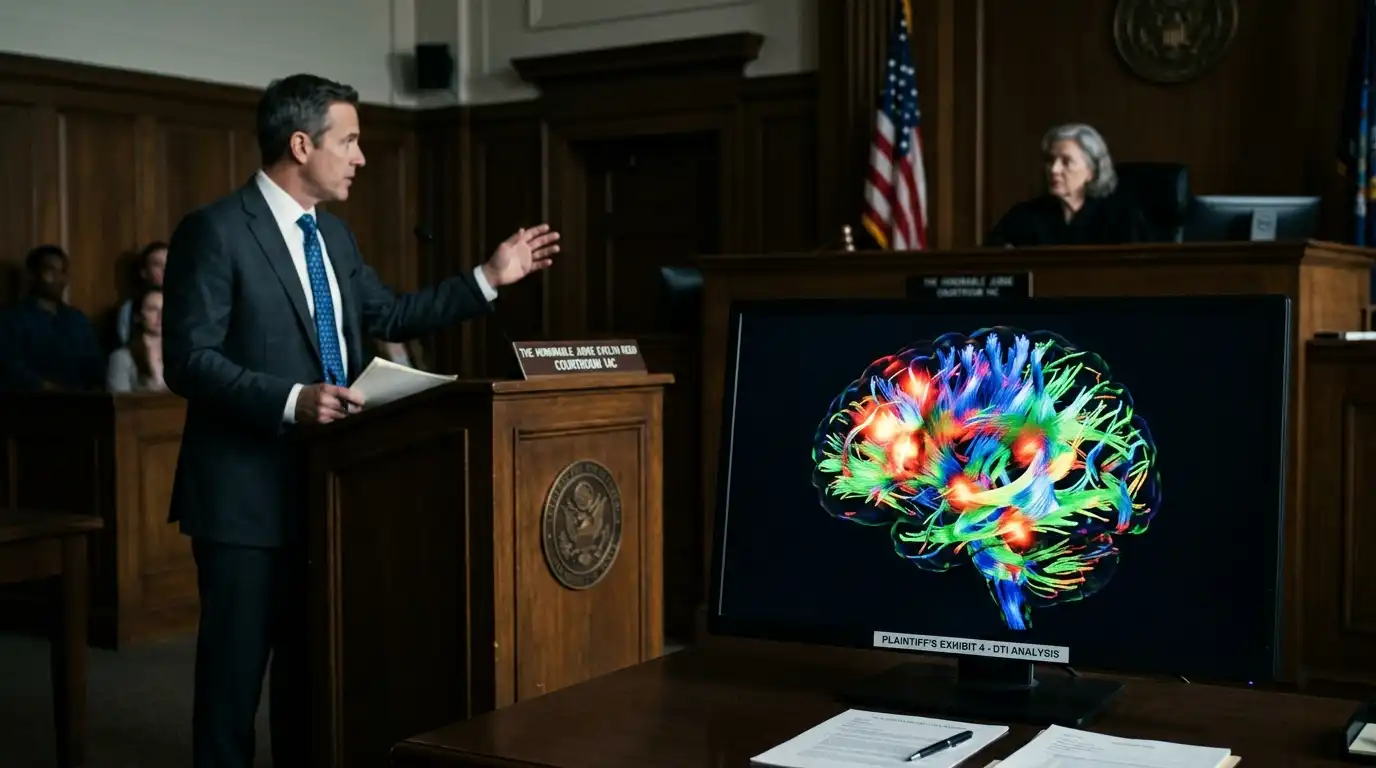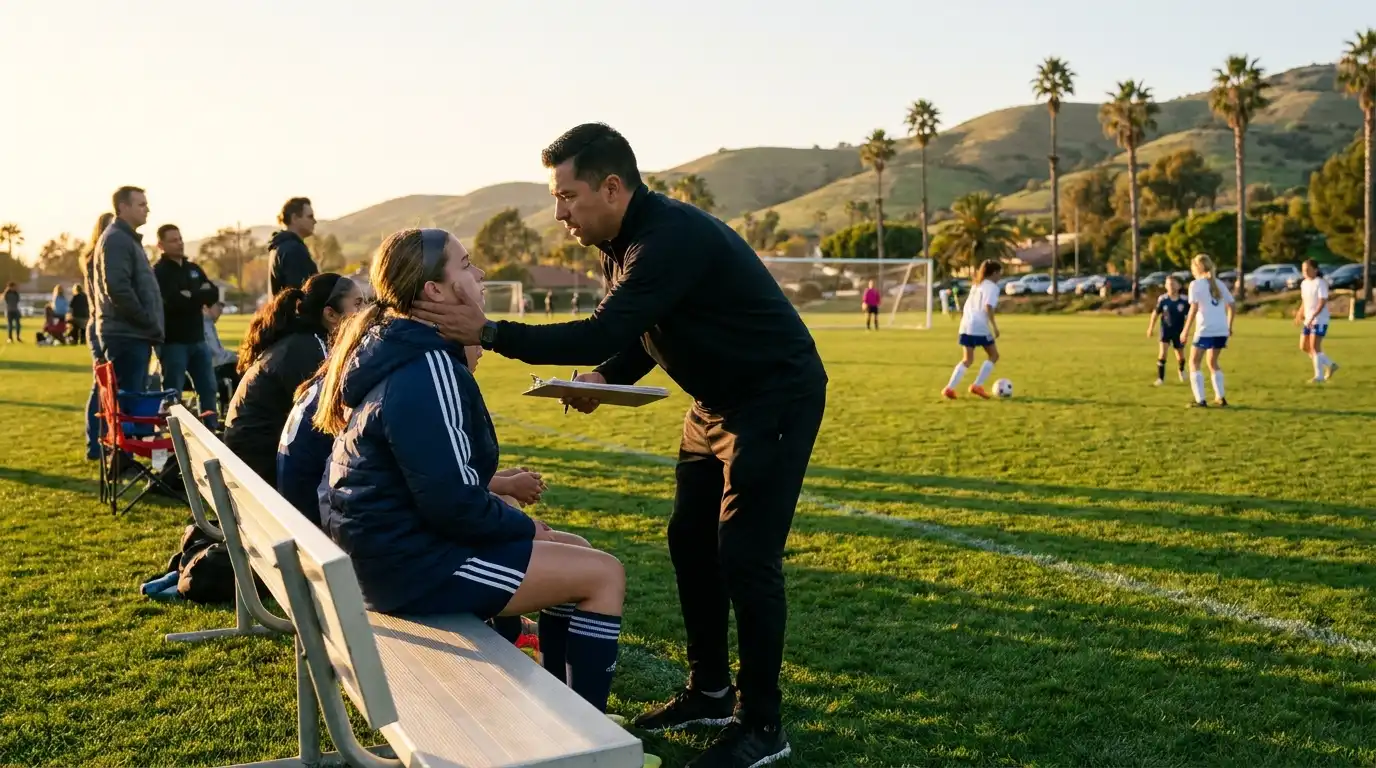
Participating in youth sports offers children invaluable physical, social, and emotional benefits. However, when high-impact collisions occur on soccer fields, football gridirons, or basketball courts, the risk of traumatic brain injury (TBI) becomes a critical health concern. To protect young athletes across the state, the legislature passed landmark safety legislation governing how youth sports organizations handle head impacts. Understanding the california youth sports concussion law ab 2007—and how league failure to enforce these statutory protocols creates legal liability—is essential for parents, coaches, and sports administrators.
Enacted under Assembly Bill 2007, California extended strict school-based concussion protocols to cover all independent, private, non-profit, and municipal youth sports leagues. When sports organizations fail to follow these mandatory safety requirements, they expose young athletes to catastrophic brain damage—and expose themselves to civil lawsuits for negligence.
What is California Assembly Bill 2007 (AB 2007)?
Prior to the passage of AB 2007, California’s mandatory concussion protocols primarily applied to high school and interscholastic athletic programs governed by the California Interscholastic Federation (CIF). AB 2007 expanded these critical health safeguards to cover all private, community, club, and municipal sports organizations operating within the state.
Under the law, a “youth sports organization” encompasses any entity, business, non-profit, or governmental agency that sponsors or conducts amateur athletic competitions, training camps, or sports clubs for youth athletes.
Core Statutory Requirements Under AB 2007
AB 2007 establishes four non-negotiable statutory duties that every California youth sports league must strictly enforce:
- Mandatory Pre-Season Information Sheets: Before an athlete initiates practice or competition, the league must distribute a comprehensive concussion and head injury information sheet. This document must be signed and returned annually by both the athlete and their parent or legal guardian.
- Immediate Removal From Play: If an athlete is suspected of sustaining a concussion or head injury during practice or a game, they must be immediately removed from the athletic activity for the remainder of the day.
- Written Medical Clearance & Graduated Return-to-Play: An athlete removed from play cannot return to practice or competition until evaluated by a licensed healthcare provider trained in concussion management and granted written clearance. If a concussion is diagnosed, the player must complete a supervised graduated return-to-play protocol lasting no less than seven days.
- Mandatory Coach and Administrator Training: Every coach and administrator must successfully complete formal online or in-person concussion recognition training before supervising youth athletes.
To review federal guidance and educational resources regarding youth concussion management, examine the CDC Heads Up Youth Sports Concussion Resources.
The Medical Dangers of Mismanaged Concussions: Second Impact Syndrome
The primary medical objective behind AB 2007 is preventing premature return-to-play following a head injury. When a developing brain suffers a concussion, it enters a state of acute metabolic vulnerability. If a child suffers a secondary impact before the brain fully heals, the consequences can be catastrophic.
This condition, known as Second Impact Syndrome (SIS), causes rapid, uncontrollable cerebral vascular congestion and severe brain swelling. SIS often leads to permanent neurological disability or death within minutes. Even without a second acute impact, rushing a child back to competition exacerbates long-term post-concussion syndrome, resulting in chronic headaches, memory loss, executive dysfunction, depression, and learning impairments.
Establishing League Liability for Protocol Failures
While playing contact sports carries inherent physical risks—a legal concept known as assumption of risk—this defense does not shield youth sports leagues when they breach statutory safety duties established by AB 2007.
Under California tort law, failing to follow a safety statute designed to protect a specific class of individuals constitutes negligence per se. If a league or school breaches its statutory duties under AB 2007, that failure serves as strong legal evidence of negligence in a civil lawsuit.
Common Examples of League Negligence

An organization or school entity may face direct civil liability for brain injuries if their staff or volunteers engage in any of the following conduct:
- Ignoring Visible Concussion Symptoms: Allowing a player who exhibits dizziness, confusion, nausea, or slurred speech to re-enter a game.
- Failing to Require Medical Clearance: Accepting verbal claims from a parent or player instead of obtaining written clearance from a qualified physician.
- Failure to Train Coaching Staff: Allowing untrained volunteer coaches to oversee practices without completing mandatory concussion certification.
- Bypassing the 7-Day Protocol: Short-cutting the mandatory multi-step return-to-play protocol to rush a star athlete back for playoff games.
To examine statutory text and legislative updates regarding California athletic safety laws, visit the California Legislative Information AB 2007 Database.
Navigating Claims Against Public Schools and Municipal Entities
In many cases, youth sports events occur on municipal parks or public school grounds. If a brain injury claim involves a public school district or local park department, specific procedural rules apply under the California Government Tort Claims Act (Government Code § 911.2).
Unlike standard personal injury claims against private entities—which carry a two-year statute of limitations in California—claims against public entities require filing a formal administrative claim within six months (180 days) of the injury date. Failing to submit this mandatory notice within the strict six-month window can permanently bar an injured child from seeking financial compensation.
To view official state public health reporting guidelines and injury prevention programs, review the California Department of Public Health Injury Prevention Resources.
Compensable Damages in Youth Traumatic Brain Injury Claims
Traumatic brain injuries in children require complex, multi-faceted medical care that extends far beyond immediate emergency room visits. Because an adolescent brain continues developing into early adulthood, a severe TBI can disrupt educational growth, vocational potential, and quality of life.
Financial compensation in a successful youth sports TBI lawsuit may cover:
- Past and Future Medical Expenses: Emergency transport, neurological care, brain imaging (MRI/CT), and specialized outpatient visits.
- Rehabilitative Therapies: Speech therapy, occupational therapy, cognitive rehabilitation, and physical therapy.
- Specialized Educational Services: Funding for individualized education plans (IEPs), 504 plans, private tutoring, or specialized schooling.
- Loss of Future Earning Capacity: Compensation for reduced future lifetime earnings caused by permanent cognitive impairment.
- Non-Economic Damages: Compensation for physical pain, emotional distress, loss of enjoyment of life, and severe anxiety.
Steps Parents Should Take After a Youth Sports Head Injury
If your child sustains a head hit during a sports activity, taking systematic steps protects both their physical health and their legal rights:
- Demand Immediate Removal: Ensure your child is pulled from play immediately, regardless of game importance or score.
- Obtain Professional Medical Evaluation: Seek emergency or specialized pediatric neurological evaluation immediately.
- Notify League Leadership in Writing: Report the concussion incident to league officials and preserve all written correspondence.
- Request Coach Training Records: Verify whether the team’s coaches completed mandatory AB 2007 concussion training.
- Document All Symptoms & Care: Keep a daily journal tracking physical symptoms, academic struggles, missed school days, and medical appointments.
- Consult a Dedicated Brain Injury Attorney: Speak with a legal advocate who understands California sports law, statutory negligence, and complex TBI litigation.
Final Thoughts
California’s AB 2007 was enacted to safeguard young athletes from preventable, life-altering brain injuries. While sports carry inherent physical challenges, no child should suffer permanent neurological harm because a league or coach ignored mandatory safety protocols. Holding negligent sports organizations accountable enforces safety standards for all children while securing the financial resources necessary to support an injured child’s full recovery.